October 22, 2025 • min read
Ice vs heat: when to use cold or heat for pain relief
Learn when to use ice or heat for pain relief, including for nerve pain, sciatica, pinched nerves, and general pain (plus safety tips to avoid making symptoms worse).
Written by

Director, Clinical Specialists
It’s one of the oldest questions in pain care: should I use ice or heat?
If you’ve ever twisted your back, experienced nerve pain, or woken up with aching knee pain, you’ve probably reached for an ice pack, then thought maybe you should use a heating pad. Knowing whether to use heat or cold to speed recovery can be confusing. Does heat help help a pinched nerve? Does ice help joint pain? Should you use ice and heat together?
The truth is, both ice and heat can help in certain situations. They just work in different ways. Choosing the right option at the right time can make a big difference in how fast you feel better. This guide explains when to use ice, when to use heat, and how different types of joint, muscle, and nerve pain change that decision, so you can choose what helps and avoid what may make symptoms worse.

The Sword Summary Warm-up
Don’t have time for the full workout? We’ve got you covered with a quick, high-intensity session. Here are the key takeaways:
- Ice helps most when pain is linked to recent irritation, swelling, or a flare-up, and is best used for short periods.
- Heat helps when pain is driven by muscle tension, stiffness, or guarding, which is common with nerve pain.
- For nerve pain and pinched nerves, heat is often helpful, but ice can still play a role depending on symptoms. Neither ice nor heat treats the underlying cause of nerve pain. They offer temporary symptom relief, not recovery.
- If pain is worsening, spreading, or paired with numbness or weakness, it’s time to look beyond home remedies.
Research shows that inflammation and heat help the body heal
For decades, ice was the default treatment for injuries, but modern science tells a different story. Research now shows that inflammation is your body’s repair mechanism, and suppressing it (with ice or NSAIDs) can delay recovery. This guide explains how ice and heat work, when each one is best, and what to do for nerve pain, a pinched nerve, back pain, sciatica, and swelling.
Inflammation, once seen as harmful, is now understood as a natural and necessary part of recovery. That means ice should be used sparingly, while heat is often the better option for most nerve and musculoskeletal pain.
Heat for most pain, ice/cold only for serious injury
- Skip ice except for very serious pain and injury, and let inflammation heal you
- Use ice only if swelling is severe (post-surgery, visibly swollen joint) or pain is so strong it prevents sleep or movement² ³.
- Use heat to help in instances of stiffness, chronic pain, pre-workout and post-workout⁴.
- If you have very strong or persistent pain, you should escalate to a medical professional.
When to ice and when to heat
Here’s a simple framework:
- Use ice: Only for severe swelling (post-surgery, visibly swollen joint) or acute pain that blocks movement² ³.
- Use heat: For stiffness, chronic aches, or most nerve-related pain⁴ ⁵.
- Alternate both: For some conditions like sciatica or acute nerve pain, but always prioritize heat for recovery¹ ⁶.
Always protect your skin with a towel and limit sessions to 15–20 minutes. Here's a general ice versus heat table you can refer to when in doubt.
| Type of pain | Ice | Heat | Why |
|---|---|---|---|
New injury or flare-up with swelling | ✅ | ❌ | Ice helps limit swelling and dull pain |
Stiff, tight, or guarded muscles | ❌ | ✅ | Heat improves blood flow and tissue relaxation |
Nerve pain (burning, shooting, tingling) | occasionally, to reduce sharp pain | often | Heat helps muscle tension; ice may calm flares |
Pinched nerve symptoms | occasionally, to reduce sharp pain | often | Depends on irritation vs stiffness |
Reduced sensation or numb skin | ❌ | ❌ | Higher burn/frostbite risk |
How ice and heat work differently
Cold therapy (ice)
Cold reduces blood flow, numbs sharp pain, and slows the body’s inflammatory response. But research shows that inflammation is essential for healing, and overusing ice may actually delay recovery¹. Today, ice is recommended mainly for:
- Severe swelling, such as after surgery or visibly swollen joints²
- Acute pain so strong it prevents sleep or basic movement³
Heat therapy
Heat increases blood flow, relaxes tight muscles, and relieves stiffness. Unlike ice, it supports the body’s natural healing response by encouraging circulation and mobility⁴.
Think of it this way: Ice is an emergency tool. Heat is the go-to option for recovery and ongoing pain relief.
Why inflammation matters (and when to let it work)
When you sprain your ankle or strain a muscle, your body launches a precise inflammatory response:
- Blood vessels dilate, allowing white blood cells to reach the injury.
- Cytokines (repair proteins) remove damaged tissue and stimulate rebuilding.
- Swelling creates a protective “splint” around the injury.
Should you use ice or heat for nerve pain?
Nerve pain is different from muscle soreness. This type of pain can be sharp, shooting, or burning. For nerve pain, heat is often more helpful than ice, especially when symptoms are linked to muscle tension, stiffness, or guarding around irritated nerves. Ice can still help during acute flare-ups or when pain feels inflamed. The best choice depends on your symptoms, sensitivity, and how your body responds.
- Ice may help temporarily if swelling is significant or pain is severe enough to stop movement, but frequent icing is discouraged because it can interrupt recovery¹ ³.
- Heat for nerve pain is often more effective, especially when as pain is caused by muscle tension. Warmth relaxes tight muscles pressing on the nerve and a heat pack for nerve pain improves blood flow⁵.
Does heat help with nerve pain?
Heat can help nerve pain when surrounding muscles are tight or protective. By increasing blood flow and reducing stiffness, heat may make movement feel easier and reduce pressure around irritated nerves. If heat increases burning or discomfort, it’s best to stop and reassess.
Note that heat can aggravate nerve pain if tissues are already inflamed or if sensation is reduced, increasing burn risk. People with neuropathy or altered sensation should use extra caution and avoid prolonged heat.
Ice or heat for a pinched nerve?
A pinched nerve happens when nearby tissues (like muscle or bone) compress the nerve.
- A cold pack or ice for a pinched nerve can calm swelling if the area is visibly inflamed, but this likely won't speed up recovery³.
- A heat pack for a pinched nerve often provides better relief and faster recovery because it relaxes tight muscles contributing to the compression⁵.
If weakness or numbness lasts more than a few days, you should see a clinician. Persistent nerve compression requires more than ice or heat alone.
Sometimes cold and heat can work for nerve pain relief
For some people, alternating cold and heat for nerve pain relief (known as contrast therapy) can help. Research suggests this approach may reduce nerve pain and associated stiffness by calming inflammation first (with cold) and then loosening tight muscles (with heat)1,3,4,6. This can be especially useful for nerve-related pain, like sciatica, where both swelling and muscle tension are involved.
Neither heat nor ice is universally “better” for nerve pain. Heat often helps ongoing nerve-related discomfort, while ice may help during sudden flare-ups. Short, cautious trials can help determine what feels best.
Heat or ice for back pain?
Back pain is one of the top reasons people turn to ice or heat. Heat for back pain is usually more effective.
- Cold or ice for back pain may help briefly, especially if there’s swelling² with new, or very severe flare-ups
- Heat is most effective for chronic or recurring back pain as this helps to relax tight muscles and ease stiffness⁴.
- Nerve-related back pain (like sciatica) often benefits from heat, though ice can help to reduce severe pain⁵ ⁶.
Heat or ice for sciatica?
Sciatica happens when the sciatic nerve in your lower back is compressed and heat for sciatica is also usually the best option.
- Heat for sciatica is generally better because it encourages blood flow, eases stiffness, and relaxes the tight muscles that may be pressing on the nerve² ³.
- Ice for sciatic pain may be used sparingly if swelling is extreme or pain is preventing rest, but research shows frequent icing may actually delay recovery by slowing the body’s natural healing response¹ ⁴.
- Alternating cold and heat (contrast therapy) may provide temporary symptom relief for some people, but should not replace movement, activity, and long-term care strategies⁵.
What ice or heat for knee pain, ankle pain, or pain in other joints?
Generally, heat is more effective at reducing stiffness and speeding recovery. Ice for knee pain or other joint paint is only recommended for severe pain, injury, and swelling,
- Ice for joint pain can help in cases like post-surgery recovery or for visibly swollen joints².
- For general joint pain, heat is ideal for reducing stiffness, speeding up recovery, and reducing ongoing pain⁷.
- Heat is also recommended for chronic inflammation. Newer research confirms that suppressing inflammation with ice can slow healing, so heat and movement are better choices¹.

The PEACE & LOVE protocol: step-by-step guide
For decades, ice was the go-to treatment for sprains, strains, and post-surgery recovery. However, research shows that inflammation is a critical part of healing. The PEACE & LOVE protocol reflects this shift:
PEACE (days 1–3 post-injury)
- Protect: Avoid movements that cause sharp pain (e.g., limping instead of walking on a sprained ankle).
- Elevate: Raise the injury above your heart to reduce fluid buildup.
- Avoid anti-inflammatories: Skip ice and NSAIDs to let inflammation work.
- Compress: Use a bandage only if swelling restricts movement.
- Educate: Understand that short-term pain doesn’t mean long-term damage.
LOVE (days 4+ post-injury)
- Load: Gradually reintroduce movement (e.g., walking 10 minutes daily).
- Optimism: Stress releases cortisol, which slows healing.
- Vascularization: Boost blood flow with cycling or swimming.
- Exercise: Strengthen tissues with guided exercise or physical therapy.
Sword could be covered by your health plan at $0 for you

How to ice safely
- Wrap ice in a thin cloth.
- Apply for 10 minutes every 2 hours during the first 48 hours.
- Never apply ice directly to skin or bony areas.
How to apply heat safely
- Use a warm towel or heating pad on low/medium settings.
- Limit sessions to 15 minutes to avoid skin damage.
When to escalate to an expert clinician
Ice and heat can ease symptoms, but they won’t fix the root cause. See a clinician if you have:
- Severe pain lasting more than a few days
- Sustained numbness, tingling, or weakness
- Severe back pain radiating into the leg
- Recurring swelling without injury
At Sword Health, licensed Doctors of Physical Therapy help members find the source of their pain and build a personalized recovery plan for lasting relief.
Inflammation isn’t the enemy, it’s part of healing. That’s why heat is often the better choice for most nerve and musculoskeletal pain. Ice has its place, but it should be used only sparingly, when swelling or pain is extreme.
Living with musculoskeletal pain affects more than movement. It influences mental health, productivity, and overall quality of life. Thrive Digital Physical Therapy is designed to help you address these challenges with accessible, guided care that works around your schedule.
Address the root cause of your pain with Thrive
Ice and heat can help turn the volume down on pain, but they don’t change why the pain keeps coming back. Nerve pain and pinched nerves often improve when movement, strength, and confidence are gradually restored.
That’s why movement-based care focuses on improving how your body moves and responds to load, rather than relying on passive relief alone.
If pain keeps coming back, you don’t have to figure it out alone. Sword Health’s clinicians are here to guide you toward safe, effective, and lasting relief. Recovery from pain and injury can be fast, and Sword Thrive allows you to complete a personalized care plan from the comfort of home with expert guidance from a Doctor of Physical Therapist.
End your pain with Sword Thrive
Recover faster from the comfort of home with Thrive's clinically-proven digital physical therapy plans.

1. Tell us about you
Share where you’re feeling pain, your medical history, and your lifestyle so we can tailor your care from the start.
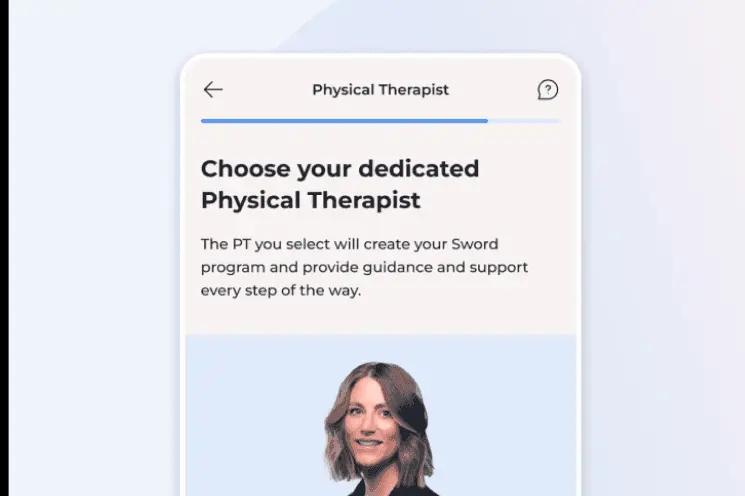
2. Choose your clinician
Pick your dedicated Doctor of Physical Therapy. They will guide your recovery and adjust your plan as you progress.

3. Receive your FDA-listed Thrive kit
We send your Thrive Pad (or motion sensors for certain conditions), equipped with AI motion tracking for real-time feedback
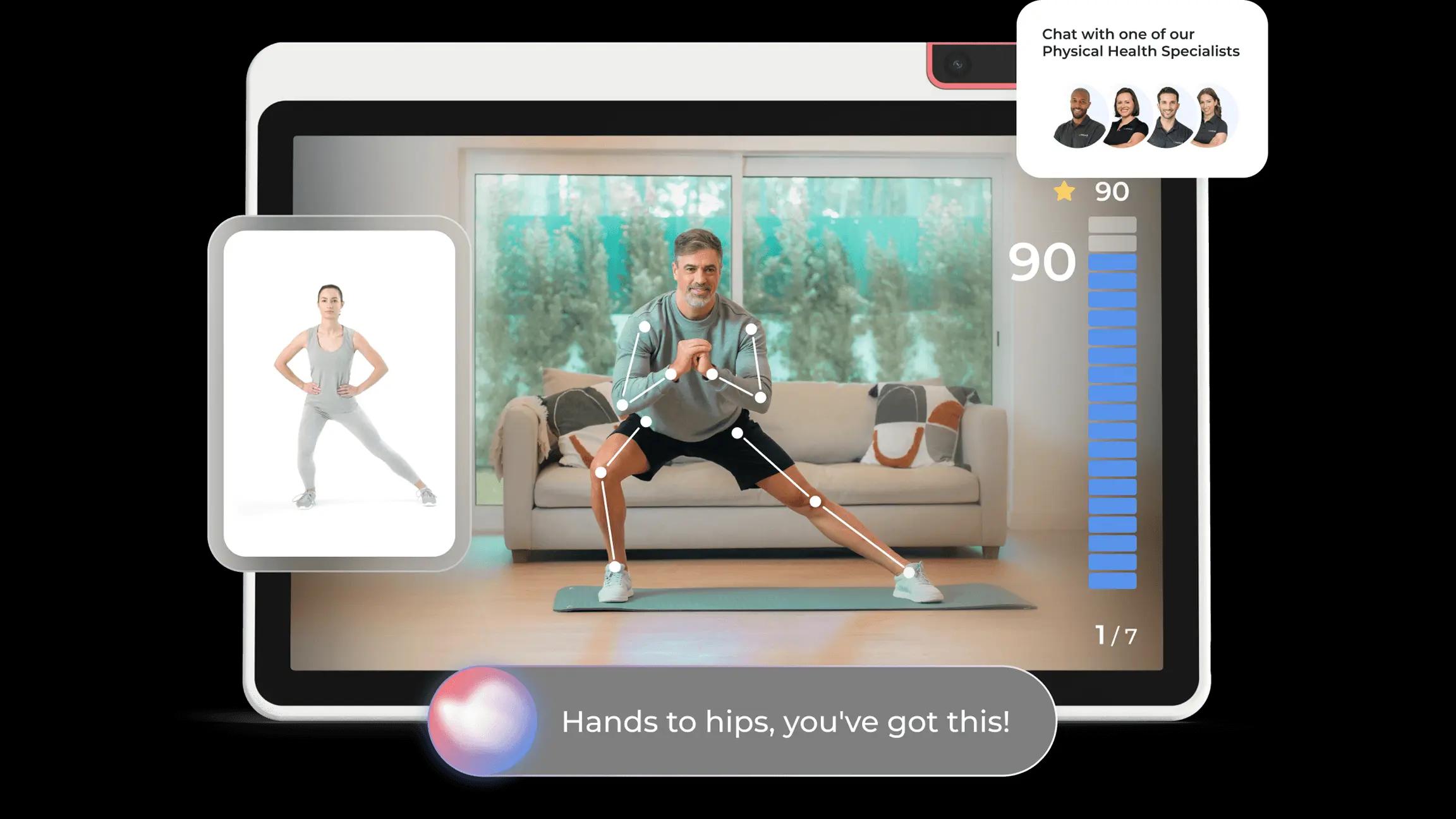
4. Recover from home at any time
Follow guided sessions at home with real-time feedback, and support from your matched Doctor of Physical Therapy.
By enrolling, you are not just managing symptoms. You are taking a step toward meaningful, lasting relief and building confidence in your ability to move and feel better. Thrive may already be covered by your existing health plan. Check your coverage today and start your path toward recovery right away.
About the author
Megan Hill
Director, Clinical Specialists
Join 500,000+ people who trust Sword to end their pain
Sword’s at-home care plans may already be covered by your employer, health insurer, or union.
Footnotes
Dubois B, Esculier JF. Soft-tissue injuries simply need PEACE & LOVE. Br J Sports Med. 2019;53(2):72–73.
Mayo Clinic. “Cold therapy: When and how to use ice.” 2024.
American Physical Therapy Association. Clinical Practice Guideline: Acute Musculoskeletal Injury Management. 2023.
JAMA. Musculoskeletal disorders as a leading cause of healthcare costs. JAMA. 2020;323(9):863–884.
National Institute of Neurological Disorders and Stroke. Sciatica Fact Sheet. NIH, 2023.
Higgins T, et al. Contrast therapy and recovery from exercise-induced muscle damage. J Physiol Sci. 2019;69(6):929–936.
Arthritis Foundation. “Heat and cold therapy for arthritis pain.” 2023.


