December 19, 2025 • min read
Stopping Ozempic: how to keep the weight off
Stopping Ozempic doesn’t have to mean regaining weight. Learn why weight often comes back while using Ozempic, and what you can do to make results last after GLP-1 use.
Written by

Evidence-based healthcare insights
The Sword Summary Warm-up
Don’t have time for the full workout? We’ve got you covered with a quick, high-intensity session. Here are the key takeaways:
- Weight regain after stopping Ozempic is common, but it is not inevitable and you can prevent this with regular physical activity.
- Loss of muscle during weight loss is a major reason weight comes back as fat.
- Building strength and movement habits before stopping medication helps results last.
- Move, Sword Health’s whole-body movement solution, is the ideal program for Ozempic users trying to retain healthy weight loss
Ozempic has helped many people lose weight in ways that once felt out of reach. Appetite quiets. Eating feels more manageable. The scale moves steadily for the first time in years.
Eventually, many people face the same question: What happens when I stop Ozempic, and how do I keep the weight off?
Why weight often returns after stopping Ozempic
Ozempic supports weight loss by reducing appetite and calorie intake. While this helps fat loss, it also creates a risk that often goes unnoticed: muscle loss.
Research shows that 39% of weight lost on GLP-1 medications may come from lean muscle mass when it is not actively protected¹. Muscle plays a central role in metabolism. When muscle is lost, the body burns fewer calories at rest.
When Ozempic is stopped and appetite returns, the body now requires fewer calories than before. Without muscle support, excess calories are more likely to be stored as fat. This is one reason weight regain can happen quickly after medication use ends. This pattern is explored in more detail in our guide on GLP-1 muscle loss.
What the research shows about weight regain after stopping Ozempic
In a follow-up study of people who stopped semaglutide, the active ingredient in Ozempic, participants regained about two-thirds of the weight they had lost within one year, and most of that regain came back as fat rather than muscle².
This finding does not mean Ozempic “fails.” It shows what happens when weight loss is not supported by strategies that preserve muscle and metabolic capacity. Weight loss achieved primarily through appetite suppression is difficult to maintain without changes in how the body moves and functions.
Muscle matters more than willpower after stopping Ozempic
Weight maintenance is often framed as a test of discipline or motivation. In reality, it is largely physiological.
Muscle acts as a metabolic asset. It supports resting energy expenditure and helps regulate how the body uses fuel³. When muscle is preserved during weight loss, the body is better equipped to maintain results once medication support changes.
Without muscle, even small increases in calorie intake can lead to fat regain. This is why focusing only on diet after stopping Ozempic often leads to frustration.
Structured movement plans help retain results after Ozempic
The most effective strategies for maintaining weight after Ozempic focus on support, not restriction. These include:
- Preserving muscle through resistance-based movement
- Maintaining regular physical activity habits
- Shifting success metrics away from the scale alone
Strength-focused movement gives the body a reason to hold onto lean mass. Over time, this helps stabilize metabolism and reduce the likelihood of rebound weight gain. Guidance on how to maintain muscle during weight loss becomes especially important before and after medication changes.
A structured movement program is ideal to give you the expert guidance you need. Sword Move's AI Care solution delivers lasting movement habits through clinical guidance and wearable technology, the ideal option for GLP-1 users looking to retain and build strength.
Get started with Sword Move for whole-body strength
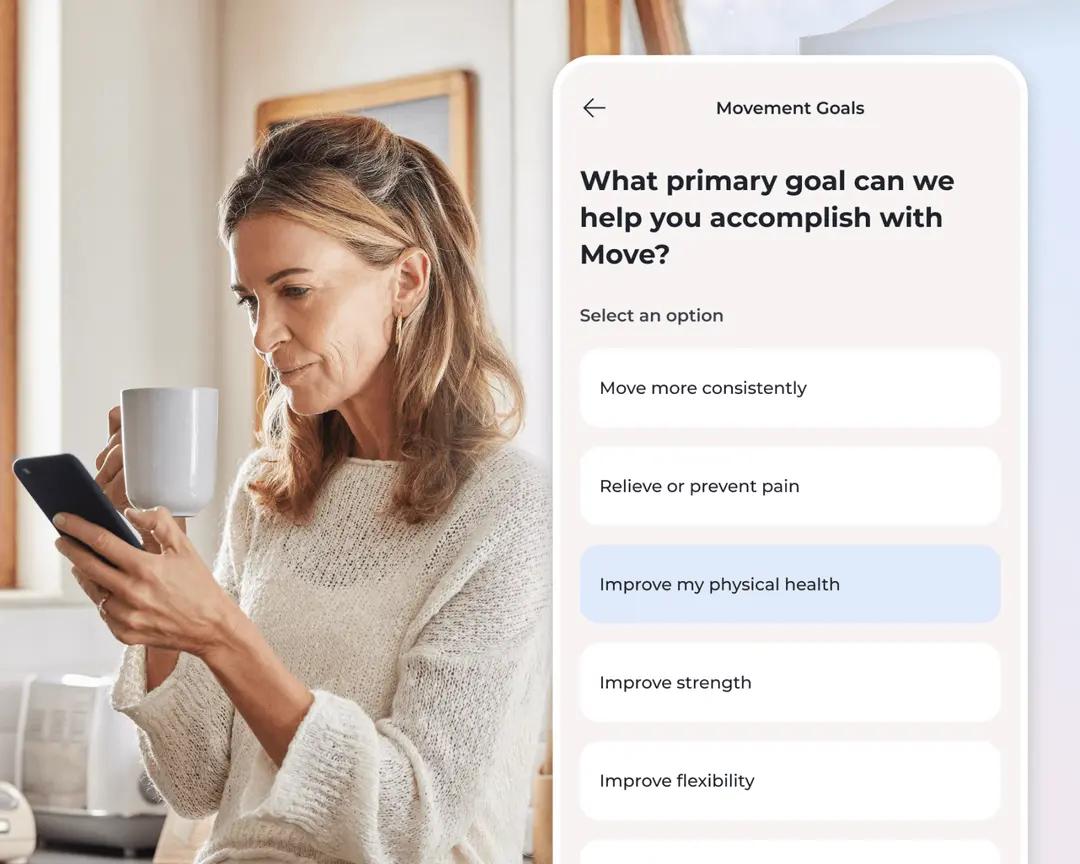
1. Tell us about you
We’ll learn about your goals, job type, lifestyle, and movement history.

2. Match with a Physical Health Specialist
Your dedicated Sword Move specialist will create a personalized plan just for you.
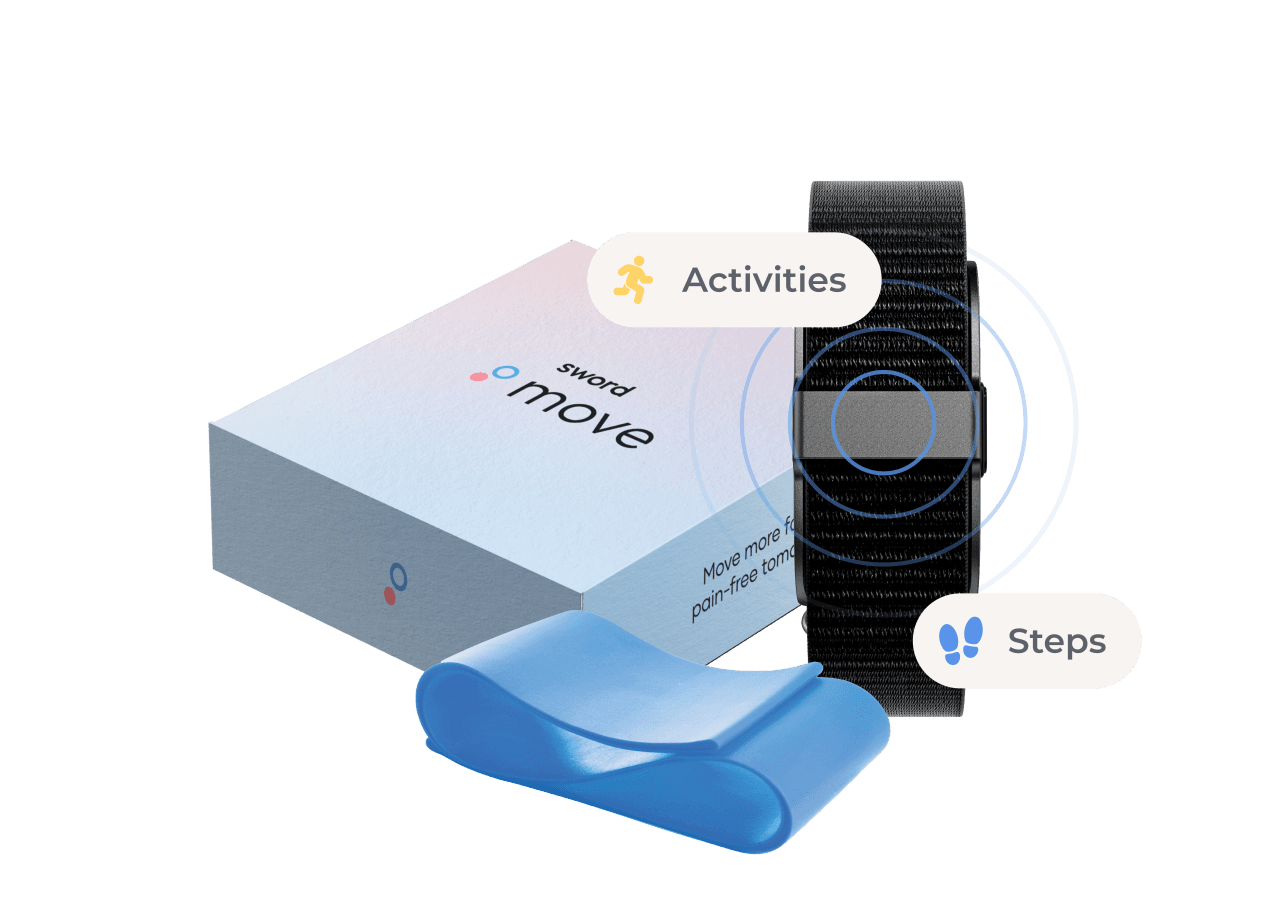
3. Receive your Move kit
You’ll get a free Move wearable and resistance bands delivered to your door.
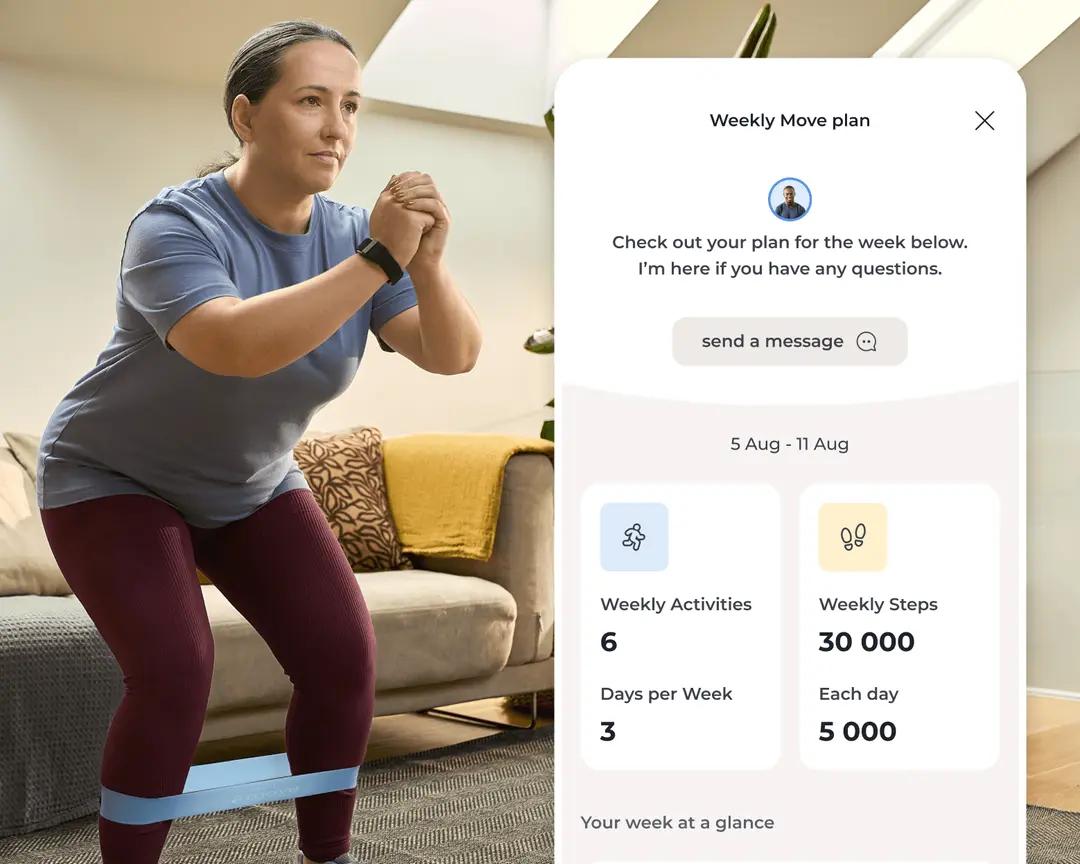
4. Start moving with your personalized plan
Pair your Move wearable and begin weekly goals built around your activity level, routines, and progress.
Waiting until after you stop Ozempic makes things harder
Many people plan to “start exercising later,” once weight loss is complete. Unfortunately, this timing works against long-term success.
Muscle loss often occurs early during weight loss. Rebuilding lost muscle after stopping medication is more difficult than preserving it along the way. Starting movement before stopping Ozempic helps create a smoother transition and reduces the shock to the body when appetite returns.
What kind of movement helps most with weight maintenance?
The goal is not intense workouts or drastic lifestyle changes. The most sustainable movement habits share a few characteristics:
- They include resistance or strength-focused activity
- They are short and repeatable
- They fit into daily life without requiring a gym
Even brief strength-focused sessions a few times per week can help preserve muscle and support long-term weight maintenance¹.
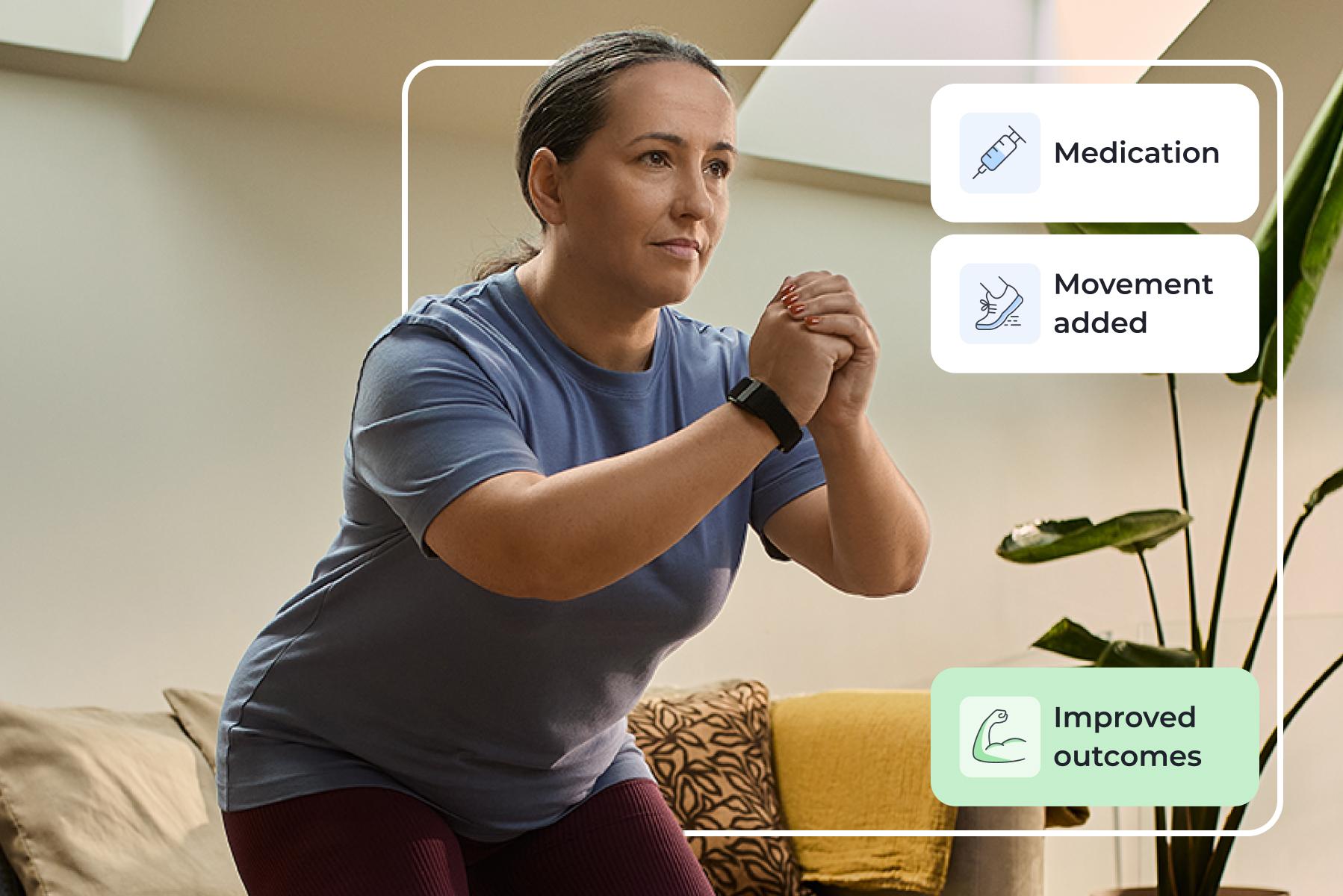
Stopping Ozempic often comes with uncertainty. Appetite changes. Energy shifts. Old habits may resurface. Without structure, many people fall into cycles of restriction and regain.
Structured movement provides stability during this transition. It offers clarity about what to do, how much is enough, and how to stay consistent without overcorrecting.
Sword Move makes it easier to maintain weight after stopping Ozempic
Sword Move is designed to support sustainable movement habits during weight loss and after medication changes. With Move, members are supported by a Physical Health Specialist who holds a Doctor of Physical Therapy degree. That specialist helps shape a personalized movement plan based on goals, mobility, and daily routines. Sessions are short, guided, and designed to be done at home without equipment.
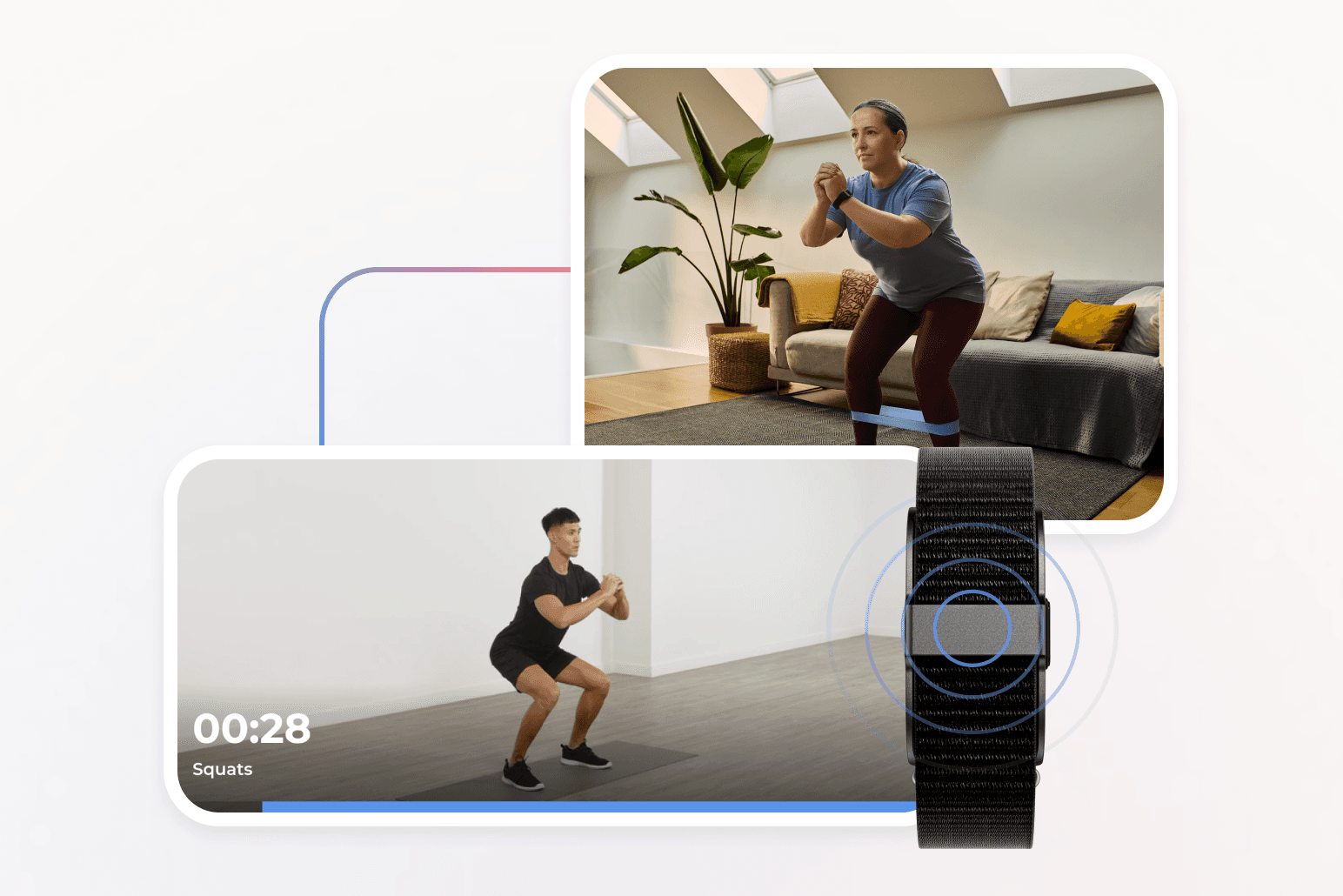
Activity is tracked through a Move wearable (or your own connected device), allowing plans to adapt as strength and needs change. Regular check-ins help members stay consistent during periods of transition.
Rather than focusing on restriction, Move helps people build the strength and habits that make weight maintenance feel more achievable. This structure helps people continue progressing even when the scale slows.
Move delivers impressive results within just weeks
- 69 percent of inactive members became active or healthy active within 10 weeks4
- Members completed an average of 4.5 guided sessions per week4
- Sedentary time dropped by more than one hour per day4
- 91 percent reported feeling moderately or much better4
Keeping weight off is about continuity, not control
Stopping Ozempic does not mean starting over. It means shifting the strategy.
When weight loss is supported by muscle preservation and movement habits, people are more likely to maintain results, protect joints, and feel confident in their bodies long after medication use changes.
Ozempic can help start the journey. Movement helps carry it forward.
If you are using a GLP-1 medication and want a safe, realistic way to stay active when energy feels low, Sword Move may already be available through your health plan at no cost to you. Many US employers and health plans offer Move to their members. Check your eligibility now to see if you can get started today.
About the author
Sword Editorial Team
Evidence-based healthcare insights
End pain, build strength, and prevent injury from home
Sword’s Move program may already be covered in your health plan at $0 cost to you.
Footnotes
Neeland IJ, Linge J, Birkenfeld AL, et al. Changes in lean body mass with glucagon-like peptide-1–based therapies and mitigation strategies. Diabetes Obesity and Metabolism. 2024;26(Suppl 4):16–27. https://pubmed.ncbi.nlm.nih.gov/38937282/
Wilding JPH, Batterham RL, Calanna S, et al. Weight regain and cardiometabolic effects after withdrawal of semaglutide: the STEP 1 trial extension. Diabetes Obesity and Metabolism. 2022;24(8):1553–1564. https://pubmed.ncbi.nlm.nih.gov/35441470/
Hall KD, Heymsfield SB, Kemnitz JW, et al. Energy balance and its components: implications for body weight regulation. The American Journal of Clinical Nutrition. 2012;95(4):989–994. https://academic.oup.com/ajcn/article/95/4/989/4576748
Sword Health. Move Book of Business data. 2023.


